The hedge fund coach: "Everything is on the table, including personal life"
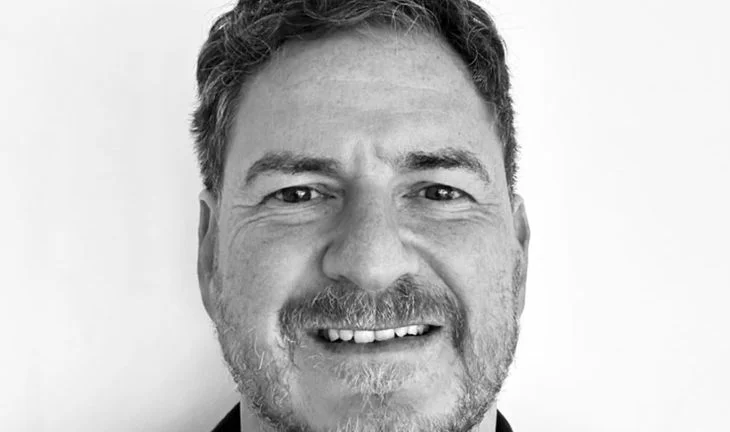
When a portfolio manager at Tudor Investment Corp has major rift with a spouse, Paul Tudor Jones doesn’t mess around. “One of my number one rules as an investor is as soon as I find out a manager is going through a divorce, I redeem immediately,” Jones declared 12 years ago. There are less extreme alternatives: he could call Tom Ungi instead.
Ungi is a hedge fund whisperer who can help portfolio managers weather all kinds of circumstances. He has the pedigree – Ungi spent a decade at Millennium where he was a managing director and member of the European management team. He left the fund in 2022 and began coaching the kinds of people he formerly worked with. He’s midway through a PhD in coaching through trauma.
Trauma is relevant. Being a portfolio manager in a hedge fund can be traumatic. The head of one major hedge fund business says all good portfolio managers have been through “hell”. Will England, founder of Walleye Capital, says the role is “toxic” and likens it to being “kicked in the face a lot”. Few people can tolerate it. It takes training, says England. Ungi is a trainer.
Some of his insights run counter to conventional norms. Being shouted at by irate chief investment officers (CIOs) is harsh, but Ungi says shouting is not always problematic. “It need not be traumatic,” says Ungi. Silence can be worse. “A person suffering extreme levels of trauma may be more comfortable with shouting and noise than with the person they’re communicating being quiet and unresponsive. Communication allows you to understand where the other person is coming from.”
Shouting often follows a loss, or drawdown in hedge fund parlance. Different funds have different approaches to drawdowns; few will discuss how they operate. At Millennium, which has $78bn under management, the Wall Street Journal claimed last year that portfolio managers have their capital reduced when they lose more than 5% and lose their jobs when they lose more than 7.5%. Rivals like Point72, Citadel and Balyasny claim more flexibility, but no hedge fund is a cuddly employer.
“When people are in a period of prolonged drawdown, we will often work with them,” says Ungi. “It can be a tough space to be in.”
Once money has been lost, the pressure is on. Individual responses to pressure are often innate, says Ungi, but there are also established patterns. “People will often enter a fight, flight, freeze or fawn state. Fight is when you come out fighting, flight is when you run away, freeze is when you’re stuck. Fawn – which is the least well known - is when you will almost go to sleep. Your capacity to make decisions is diminished.”
In all states, Ungi says the key is communication. Highly stressed portfolio managers need to communicate about what’s going on, and they need to do so from a position of “psychological safety”. Ungi works with individuals on a 100% confidential basis, in person and in sessions that are paid for by employers. “We only work with firms who pay for their individuals to see us,” he says. “We want to create an openness where firms are supporting their people to have these conversations.”
Ungi says he can tell what’s going on with a client’s portfolio simply by how he or she walks into the room. The ensuing discussions can be “intricate and sensitive.” - “Everything is on the table, including conversations regarding personal life,” says Ungi. “It’s not possible to go home and not take your work home, or to come to work and not take your home to work. If we didn’t employ men and women who are getting divorced or having breakups or challenges with teenagers, or drifting away from a spouse, there wouldn’t be anyone employed in this industry. It’s about being able to navigate these experiences and creating the right, forms and structures.”
At the heart of the discussions, though, is trading performance. Portfolio managers who make losses often do so because of “style drift,” says Ungi. Moving beyond this requires “deep self awareness” and an understanding why money was made in the past and why it’s been lost recently. Beliefs are interrogated – people who’ve lost money may simply want to return to a position of being flat, but this can be “self-limiting,” says Ungi. “It’s better to ask ‘What’s the maximum I can generate with the risk deployed in this kind of market?”
It's not just about drawdowns, though. Losses loom large in Ungi’s work, but he says 85% of his oeuvre involves less stressed situations. “Most of our work is about helping people to grow within happy and collaborative organisations. Funds want to support individuals both to generate alpha and to attract and retain talent.”
Have a confidential story, tip, or comment you’d like to share? Contact: +44 7537 182250 (SMS, Whatsapp or voicemail). Telegram: @SarahButcher. Signal: sarahbutcher.22 Click here to fill in our anonymous form, or email editortips@efinancialcareers.com.
Bear with us if you leave a comment at the bottom of this article: comments are moderated intermittently by human beings. Sometimes these humans might be asleep, or away from their desks, so it may take a while for your comment to appear. You must take sole responsibility for comments you post on this site. We will take reasonable steps to weed out anything that we consider to be offensive or inappropriate.